

What Investors and Housing Operators Must Know Before Buying a Property

6
One of the biggest mistakes new operators make when entering Assisted Living, Group Homes, or Special Needs Housing is assuming that any residential property can automatically be used for care-based housing.
Zoning regulations determine where and how certain housing models can operate, and misunderstanding them can lead to permit denials, fines, or costly property conversions.
Whether you’re starting an Assisted Living Facility (ALF), a group home, or a supportive housing program, understanding zoning is the first step to protecting your investment and launching legally.
Why Zoning Matters in Care-Based Housing
Zoning laws are created by local municipalities to control how land is used. Cities divide property into categories such as:
- Residential
- Commercial
- Medical
- Mixed-use
- Institutional
When you operate a housing model that involves multiple residents, services, or staff, the city may classify your property differently than a traditional single-family rental.
Common Reasons Operators Run Into Zoning Problems
- Too many unrelated occupants in a single-family zone
- Operating a care facility without medical zoning approval
- Parking, safety, or occupancy violations
- Misunderstanding Fair Housing protections
Many investors assume zoning only applies to large facilities — but even small group homes can trigger zoning reviews depending on local ordinances.
Zoning Requirements for Assisted Living Facilities (ALFs)


6
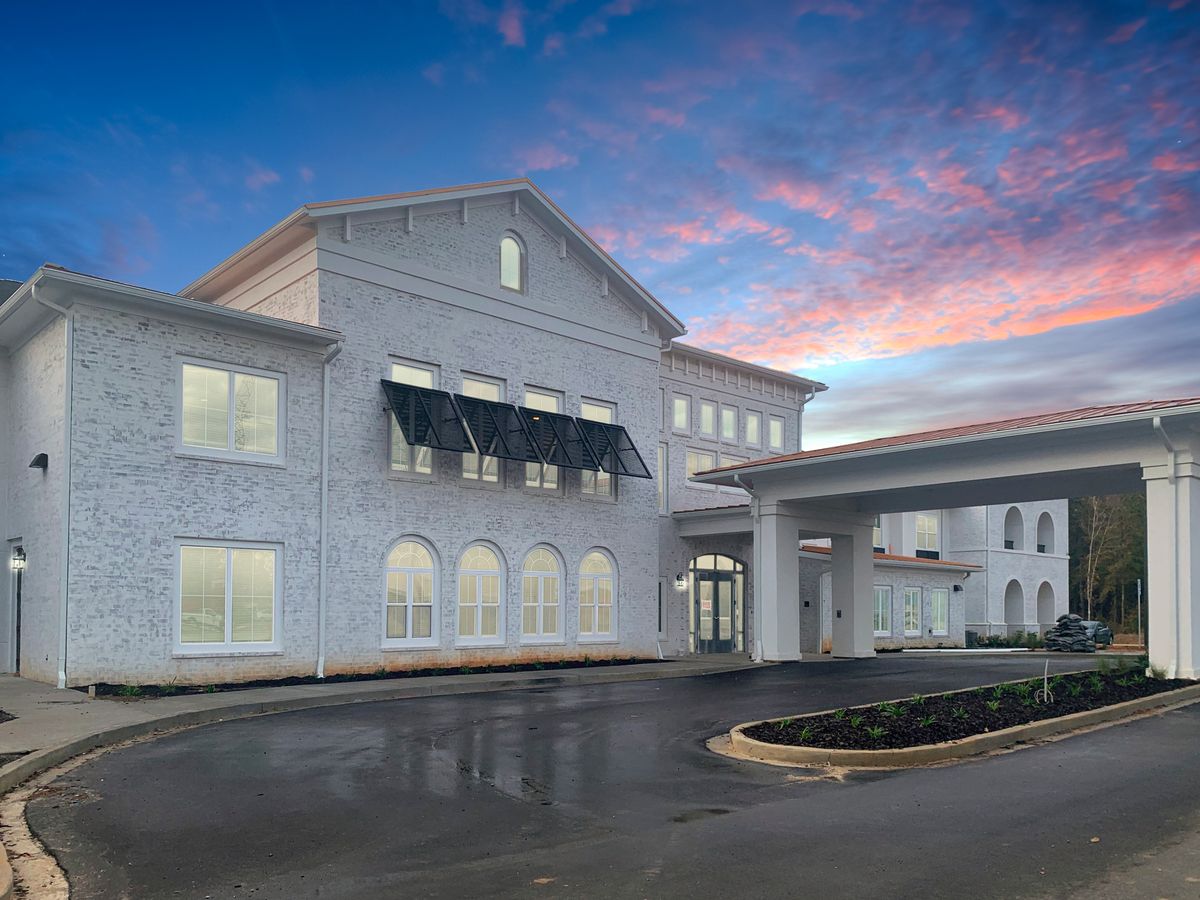
Assisted Living Facilities are often treated as healthcare or institutional uses, not standard residential housing.
Typical Zoning Classifications for ALFs
- Commercial medical zones
- Institutional zones
- Special use permits within residential areas
- Conditional use approvals
Because ALFs provide personal care services, cities usually require:
- Licensing approval from state health departments
- Fire and safety inspections
- ADA compliance
- Parking minimums
- Staff operational plans
Special Use Permits
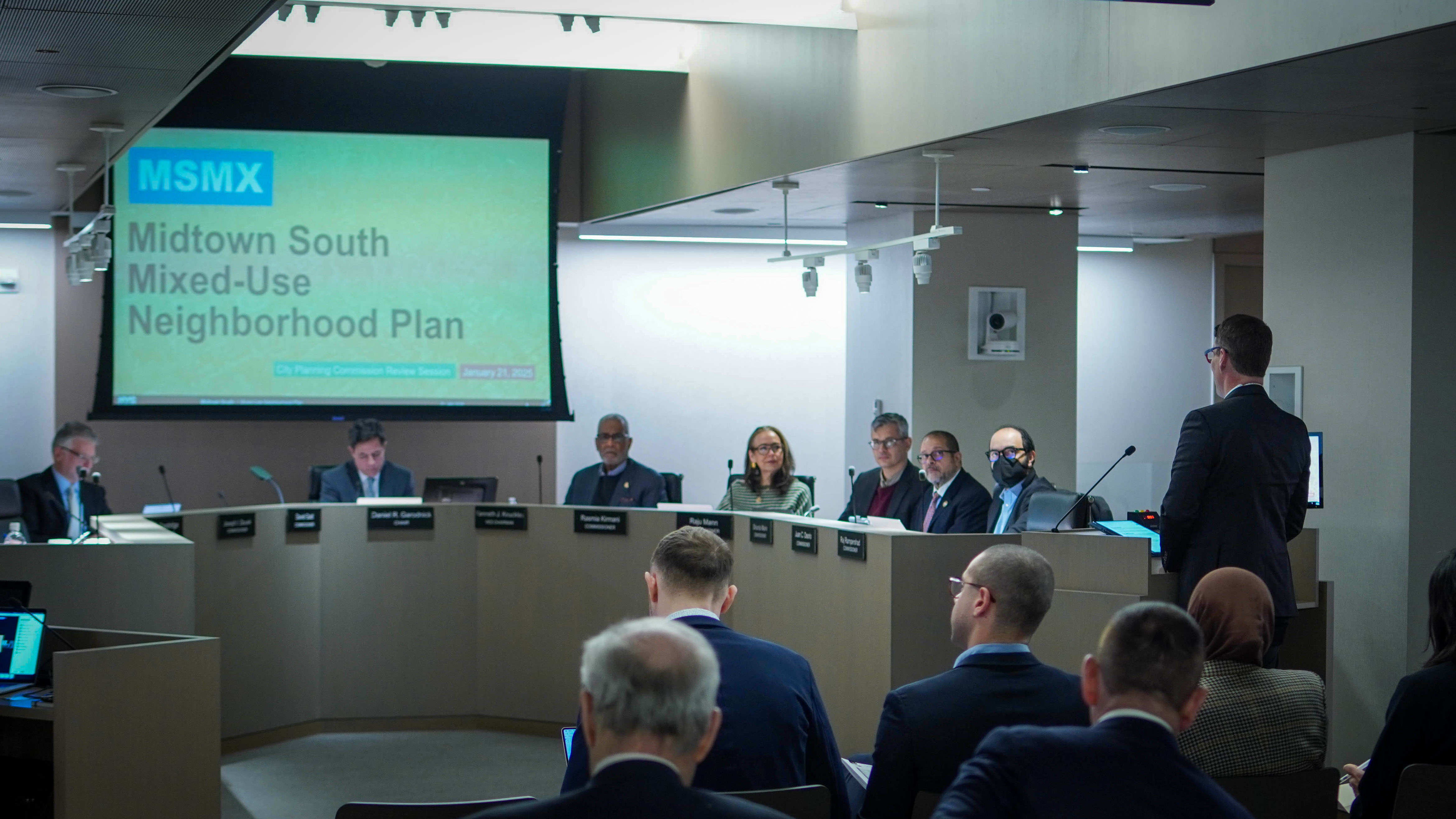
In many cities, ALFs can operate in residential areas only if approved through a Special Use Permit or Conditional Use Permit. This process may involve:
- Public hearings
- Neighborhood notifications
- Planning commission approval
This is why ALFs typically have longer startup timelines compared to other housing models.
Zoning for Group Homes and Special Needs Housing


6
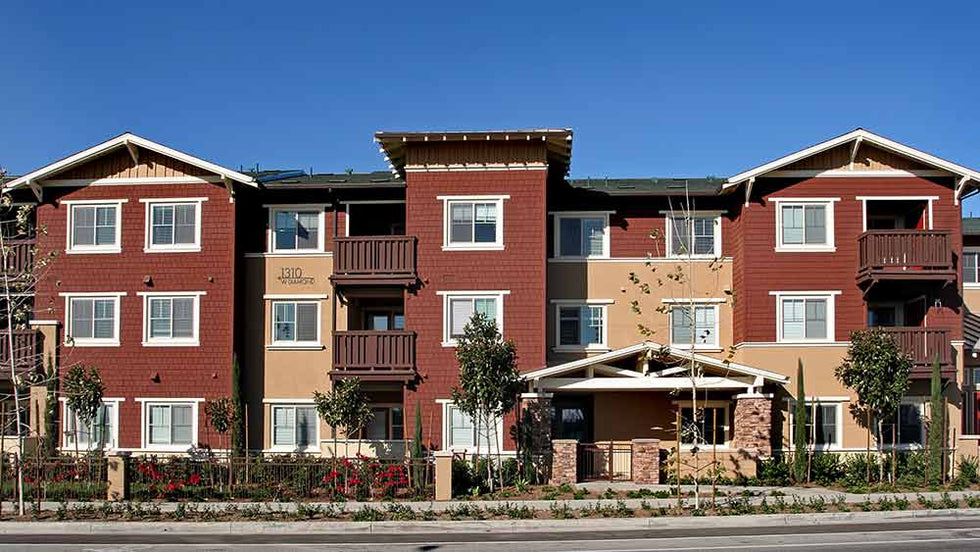
Group homes and Special Needs Housing often fall into a legal gray area between residential housing and care facilities.
The key difference is whether medical or personal care services are provided on-site.
When Group Homes Are Allowed in Residential Zones
Under Fair Housing laws, many cities must allow small group homes in residential neighborhoods if:
- The home serves individuals with disabilities
- Residents live together as a household
- The property maintains residential character
This is known as reasonable accommodation under federal law.
However, Local Rules Still Apply
Even when permitted, cities may regulate:
- Maximum number of residents
- Distance requirements between facilities
- Parking availability
- Safety upgrades like sprinklers or ramps
This is why researching local zoning codes before purchasing property is essential.
Zoning for Health Care Facilities and Medical Housing
Health care facilities operate under the strictest zoning regulations because they involve licensed services.
Examples Include
- Skilled nursing facilities
- Behavioral health treatment centers
- Medical recovery housing
- Residential treatment facilities
These properties typically require:
- Commercial or medical zoning
- Building code upgrades
- Healthcare licensing approvals
- Emergency access compliance
Unlike Special Needs Housing, these facilities function more like medical businesses than real estate investments.
Residential vs. Institutional Zoning: Understanding the Difference
| Feature | Residential Zoning | Institutional/Medical Zoning |
|---|---|---|
| Traditional Rentals | Allowed | Allowed |
| Small Group Homes | Often Allowed | Allowed |
| Assisted Living Facilities | Rarely Allowed | Common |
| Medical Services On-Site | Limited | Permitted |
| Staffing Requirements | None | Required |
For many landlords transitioning into Special Needs Housing, staying within residential zoning reduces complexity and startup costs.
Common Zoning Mistakes New Operators Make
- Buying property before verifying zoning use
- Assuming group homes and ALFs follow the same rules
- Ignoring parking and occupancy limits
- Not checking HOA restrictions
- Failing to consult local planning departments early
A property that looks perfect for housing may require months of zoning approval before opening.
How to Research Zoning Before Buying a Property
Here’s a simple process you can follow:
Step 1 — Check the City Zoning Map
Most municipalities provide an online zoning lookup tool.
Step 2 — Call the Planning Department
Ask:
- Is group living allowed here?
- Are reasonable accommodations available?
- Does this use require a conditional permit?
Step 3 — Understand Use Definitions
Cities define terms differently:
- “Family”
- “Congregate living”
- “Supportive housing”
- “Residential care”
Knowing the exact language prevents confusion later.
Strategic Insight for Real Estate Investors
Many investors initially look into Assisted Living Facilities because they believe they generate higher income. However, zoning restrictions and licensing requirements can slow projects down significantly.
This is why some landlords pivot toward Special Needs Housing partnerships, where:
- The property remains residential
- Nonprofits provide services
- Zoning hurdles are often lower
- Launch timelines are faster
Understanding zoning doesn’t just protect you — it shapes your entire investment strategy.
Final Thoughts: Zoning Is the Foundation of Your Housing Model
Before signing a contract, hiring staff, or designing a facility, zoning must be your first checkpoint.
- Assisted Living Facilities require healthcare-level zoning and compliance.
- Group homes may qualify under residential protections but still require planning approval.
- Health care facilities involve commercial and institutional zoning standards.
Taking the time to understand zoning early can save you thousands in redesign costs and months of delays.
🚀 Ready to Navigate Zoning the Smart Way?
If you want to understand how to structure your housing model legally — without stepping into unnecessary regulatory risk — start with a proven framework.
📘 The Joy of Helping Others: Creating Passive Income Streams Through Special Needs Housing breaks down:
- How to choose the right property
- How zoning impacts your strategy
- How nonprofit partnerships can simplify operations
- How to create dependable rental income while helping others
👉 Whether you’re a landlord, investor, or new operator, this guide will help you avoid the zoning mistakes most beginners make.
📌 Learn the strategy. Structure the property correctly. Build stable income with purpose.