

What Investors, Landlords, and Operators Need to Know Before Getting Started
Many people interested in impact housing believe Assisted Living Facilities (ALFs) and Special Needs Housing are the same. While both serve vulnerable populations, they operate under very different business models, legal structures, and risk levels.
Understanding the difference before investing or launching a housing business can save you thousands of dollars, months of delays, and major compliance headaches.
This guide breaks down the key differences between ALFs and Special Needs Housing, helping landlords, investors, and aspiring operators choose the right path.
What Is an Assisted Living Facility (ALF)?
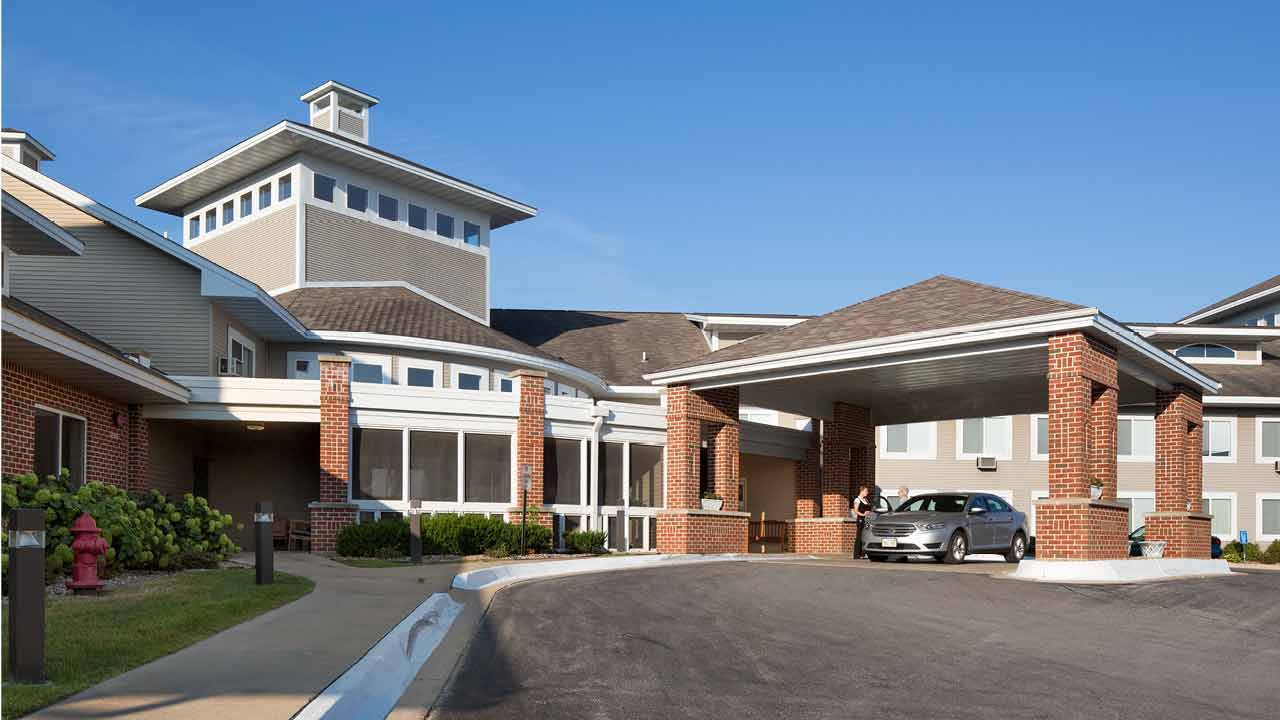
An Assisted Living Facility (ALF) is a licensed residential care facility designed primarily for seniors who need help with daily activities but do not require full-time medical care.
Key Characteristics of ALFs
- Serves mostly seniors (65+)
- Provides hands-on personal care, including:
- Medication management
- Bathing and dressing assistance
- Meals and supervision
- Requires state licensing and healthcare compliance
- Subject to frequent inspections and audits
Regulatory & Operational Reality
ALFs function much like healthcare operations. Most states require:
- Administrator licensing
- Certified caregiving staff
- Minimum staffing ratios
- Medical oversight
- Specialized building standards
This creates high startup costs and ongoing operational risk.
What Is Special Needs Housing?

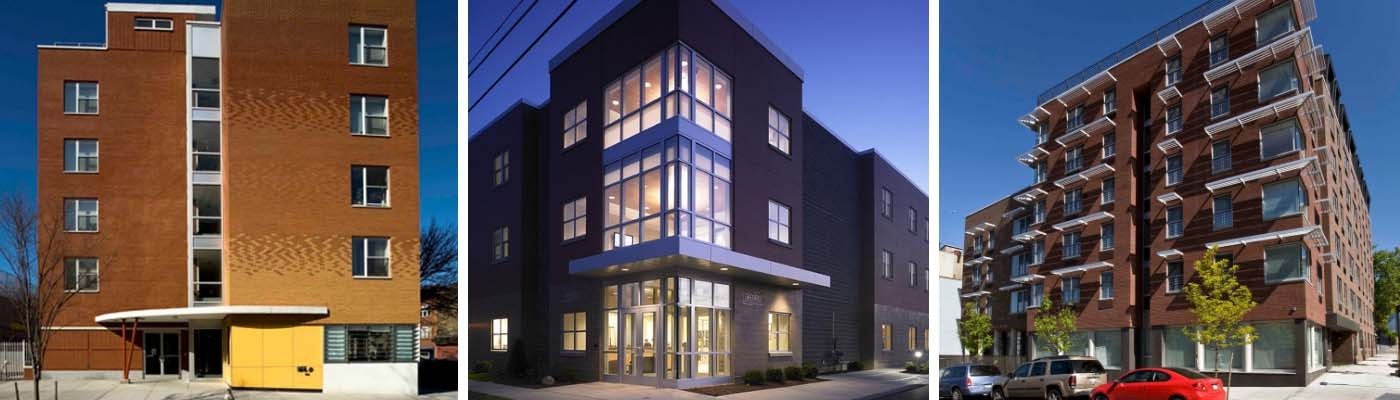
Special Needs Housing refers to standard residential properties used to house individuals with disabilities or support needs—without the owner providing medical or personal care.
Who Special Needs Housing Serves
- Adults with developmental or intellectual disabilities
- Individuals with mental health challenges
- Veterans
- Youth aging out of foster care
- Individuals transitioning from homelessness or incarceration
Key Difference: Housing Only
In Special Needs Housing:
- The property owner provides housing only
- Care services are delivered by nonprofits or agencies
- No healthcare license is typically required
- The property operates like a normal rental—with stronger partnerships
The Critical Difference: Care vs. Housing
| Feature | Assisted Living Facility | Special Needs Housing |
|---|---|---|
| Provides Medical Care | Yes | No |
| Licensing Required | Yes | Usually No |
| Staffing | Mandatory caregivers | None required |
| Startup Cost | Very high | Moderate |
| Risk Level | High | Lower |
| Flexibility | Low | High |
ALFs are healthcare businesses.
Special Needs Housing is a real estate strategy.
Staffing, Liability, and Stress Levels
Assisted Living Facilities
- Require 24/7 caregiving staff
- High payroll and workers’ comp costs
- Liability exposure from:
- Medication errors
- Falls and injuries
- Staff turnover
Special Needs Housing
- No on-site caregiving staff
- Services handled by external agencies
- Liability limited primarily to:
- Property condition
- Lease compliance
This alone is why many landlords are exiting traditional care models and shifting toward Special Needs Housing partnerships.
How Rent Gets Paid: Cash Flow Matters
ALFs
- Income relies on:
- Private pay residents
- Long-term care insurance
- Medicaid reimbursements (often delayed)
- High vacancy risk
- Cash flow fluctuates with resident turnover
Special Needs Housing
- Rent often paid by:
- Nonprofit organizations
- Government-funded programs
- Housing vouchers and grants
- Payments are:
- Contract-based
- Predictable
- More recession-resistant
For investors, this means consistent, reliable income.
Property Types & Scalability
ALFs
- Purpose-built or heavily modified properties
- Commercial-style operations
- Hard to repurpose or exit
Special Needs Housing
- Uses:
- Single-family homes
- Duplexes and small multifamily
- Easy to:
- Start with one property
- Scale gradually
- Revert to traditional rentals if needed
This makes Special Needs Housing ideal for landlords and real estate investors.
Time to Launch
| Factor | ALF | Special Needs Housing |
|---|---|---|
| Licensing Timeline | 6–18 months | Often none |
| Build-Out | Extensive | Minimal |
| Staffing | Required | Not required |
| Time to Income | Slow | Fast |
Many Special Needs Housing operators secure placement and rent payments within 60–90 days.
Which Model Is Right for You?
Choose Assisted Living If You:
- Have healthcare management experience
- Can handle heavy regulation
- Have significant startup capital
- Want to operate a full care business
Choose Special Needs Housing If You:
- Are a landlord or investor
- Want stable, predictable rental income
- Prefer lower liability
- Want to make an impact without running a medical operation
Final Takeaway: Two Very Different Businesses
Although both models help vulnerable populations, they are not interchangeable.
- Assisted Living Facilities = Care + Compliance + High Risk
- Special Needs Housing = Real Estate + Partnerships + Stability
If your goal is to increase and stabilize rental income while helping others, Special Needs Housing offers a smarter, more scalable entry point.
🚀 Ready to Get Started the Right Way?
If you’re serious about learning how to partner with nonprofits, place tenants correctly, and create dependable rental income through Special Needs Housing, your next step is simple:
👉 Start with the Book That Launched It All
The Joy of Helping Others: Creating Passive Income Streams Through Special Needs Housing
This book walks you through:
- How Special Needs Housing really works
- How nonprofits pay rent for their clients
- How to avoid costly legal and operational mistakes
- How to build stable, purpose-driven rental income
👉 Want Hands-On Guidance?
If you want step-by-step support, nonprofit placement strategies, and personalized guidance for your market, schedule a free strategy call with FlowersAndAssociatesBooking.com
📌 Learn. Partner. Place. Get Paid.